
FDA bans Red No. 3, artificial coloring used in beverages, candy and other foods
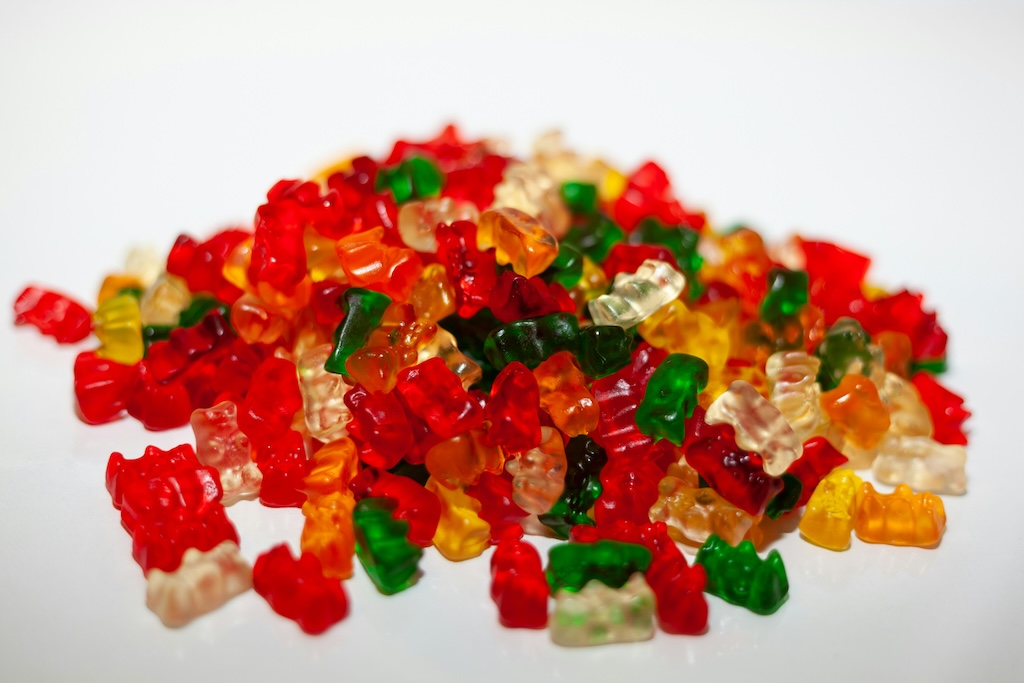
Red Dye No. 3, a synthetic food coloring, has been a controversial ingredient for decades. Found in everything from candies and baked goods to medications and cosmetics, this additive is widely used to make products more visually appealing. However, mounting evidence suggests that its risks far outweigh its benefits, raising the question: Why is Red Dye No. 3 still legal?
The Health Risks
Research has long linked Red Dye No. 3 to a variety of health concerns. In the 1980s, the FDA banned its use in cosmetics after studies showed it caused cancer in laboratory animals. Despite this, the dye remains approved for use in foods and beverages. Among the potential dangers:
- Carcinogenic Properties: Animal studies have shown that high doses of Red Dye No. 3 can cause thyroid tumors, leading many scientists to classify it as a potential carcinogen.
- Behavioral Issues in Children: Some studies suggest that synthetic food dyes, including Red Dye No. 3, may contribute to hyperactivity and attention issues in children.
- Allergic Reactions: While rare, Red Dye No. 3 has been linked to allergic reactions, including hives and swelling.
Why Did It Take So Long To Be Banned?
Despite these risks, Red Dye No. 3 persists in the food supply due to regulatory loopholes and industry resistance. Manufacturers argue that it is safe in the small amounts typically used in food products, but critics point out that cumulative exposure over a lifetime could pose significant risks.
Safer Alternatives
The good news is that safer, natural alternatives to Red Dye No. 3 exist. Ingredients like beet juice, paprika, and annatto provide vibrant colors without the health risks. Many companies are already making the switch, responding to consumer demand for cleaner, healthier products.
A Call to Action
The continued use of Red Dye No. 3 highlights the need for stricter food safety regulations. Public health should take precedence over aesthetic appeal. By banning this harmful additive, we can protect consumers and encourage the food industry to prioritize safety and transparency.
It’s time to say goodbye to Red Dye No. 3 and other artificial ingredients and embrace a future where what we eat doesn’t come with hidden dangers.




 blog.myfitforward.com
Leave a comment