
Intermittent fasting has gained widespread popularity for its ability to support weight loss, metabolic health, and longevity. However, extended fasting can be challenging and difficult to sustain. That’s where the Fasting Mimicking Diet (FMD) comes in—a breakthrough approach that provides the benefits of fasting while still allowing you to eat.
Developed by Dr. Valter Longo, a leading researcher in longevity and fasting, the FMD is a structured, short-term dietary plan that mimics the effects of fasting at a cellular level without requiring complete food deprivation. It involves consuming a low-calorie, nutrient-dense diet for five days, which activates many of the same biological processes as prolonged fasting.
How Does the Fasting Mimicking Diet Work?
The FMD is designed to trick your body into thinking it’s fasting by keeping calories low while providing essential nutrients to maintain energy and prevent extreme hunger. It typically consists of:
- Day 1: Around 1,100 calories, primarily from healthy fats, complex carbohydrates, and plant-based proteins.
- Days 2-5: Reduced to around 800 calories per day, with a focus on plant-based whole foods, healthy fats, and minimal protein.
By restricting calories and protein, the FMD helps shift your body into a fasted state while still supplying enough nutrients to prevent muscle breakdown and severe fatigue.
Key Health Benefits of the Fasting Mimicking Diet
1. Supports Longevity and Cellular Renewal
One of the most exciting benefits of the FMD is its impact on autophagy—the body’s process of removing damaged cells and regenerating new, healthier ones. This cellular cleanup plays a key role in longevity and reducing the risk of age-related diseases.
2. Improves Metabolic Health
The FMD has been shown to lower blood sugar, improve insulin sensitivity, and reduce inflammation, making it a powerful tool for preventing conditions like type 2 diabetes and metabolic syndrome.
3. Enhances Fat Loss Without Muscle Loss
Unlike extended fasting, which can sometimes lead to muscle breakdown, the FMD helps preserve lean muscle mass while promoting fat loss by shifting the body into a fat-burning state.
4. Reduces Inflammation and Supports Immunity
Chronic inflammation is a major driver of disease, and the FMD has been found to significantly reduce inflammatory markers while also rejuvenating the immune system.
5. May Help Protect Against Chronic Diseases
Research suggests that periodic fasting-mimicking cycles could help lower the risk of cancer, cardiovascular disease, and neurodegenerative disorders by reducing oxidative stress and promoting cellular repair.
FMD and Cancer Treatment: A Promising Area of Research
One of the most compelling areas of research surrounding the Fasting Mimicking Diet is its potential role in cancer treatment and prevention. Studies suggest that periodic fasting or fasting-mimicking diets may help enhance the effectiveness of traditional cancer treatments while reducing harmful side effects.
1. Makes Cancer Cells More Vulnerable to Treatment
Cancer cells rely heavily on glucose and growth signals to thrive. The FMD induces a state of nutrient deprivation, which can make cancer cells more susceptible to treatments like chemotherapy, radiation, or immunotherapy while protecting healthy cells from damage. This phenomenon, known as differential stress resistance, may help reduce toxicity and improve patient outcomes.
2. Reduces Treatment Side Effects
Early studies indicate that fasting or fasting-mimicking protocols may help mitigate common treatment side effects such as fatigue, nausea, and immune suppression. By shifting the body into a fasting state, the FMD may promote cellular repair and reduce oxidative stress during treatment.
3. May Lower Cancer Risk
Chronic inflammation, high blood sugar, and excessive insulin signaling have all been linked to an increased risk of cancer. The FMD helps regulate these factors, potentially lowering the risk of developing cancer over time.
While more research is needed, early findings suggest that incorporating fasting-mimicking cycles into cancer treatment protocols could be a safe and effective way to enhance therapy while improving overall health. However, cancer patients should always consult their doctors before attempting any fasting regimen.
How to Get Started with the Fasting Mimicking Diet
If you’re interested in trying the FMD, you have two main options:
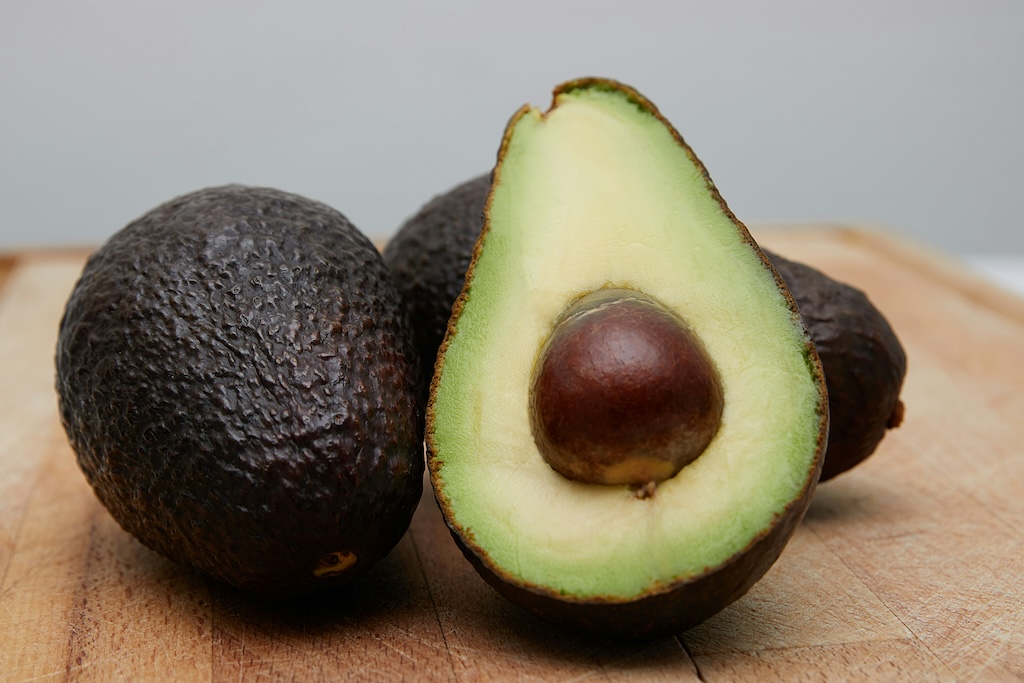
- Follow a DIY Approach – You can create your own FMD plan by consuming around 800-1,100 calories per day, focusing on healthy fats (avocados, nuts, olive oil), plant-based proteins (legumes, seeds), and fiber-rich vegetables while limiting animal proteins, sugars, and refined carbs.
- Use a Pre-Packaged FMD Program – Companies like ProLon offer a scientifically formulated FMD meal plan that provides all the necessary nutrients in pre-packaged portions to make the process easier and more effective.
It’s recommended to do the FMD once every 1-3 months, depending on your health goals and lifestyle.
The Bottom Line
The Fasting Mimicking Diet is a powerful, research-backed strategy to promote longevity, metabolic health, and cellular renewal—without requiring complete fasting. Whether you’re looking to lose weight, reduce inflammation, or optimize long-term health, periodic cycles of the FMD can be a game-changer.
Additionally, early research suggests promising benefits in cancer treatment, with the potential to make therapies more effective while reducing side effects.
As always, it’s best to consult with a healthcare provider before starting any fasting protocol, especially if you have underlying medical conditions.
Would you try the FMD? Let us know your thoughts and experiences!






 blog.myfitforward.com
Leave a comment